Here are three comprehensive interviews with Nora on her practice: 1)by Yale’s Center for Collaborative Arts and Media, “What Kind of Eye is This?”, 2) “Plants in a Garden, Tended by Machines”, Flash Art, by Andrea Bellini, and most recently, 3) Language for Technology, as a guest on Urgent Futures Podcast in conversation with host Jesse Damiani.
Narrative Biography I
In November of 2025, I was invited to deliver the Christensen Distinguished Lecture, an annual series hosted by Stanford University’s Department of Art and Art History. Before my talk, titled Discernment, Morehshin Allahyari, Assistant Professor of Digital Media Art, delivered a moving and personal introduction to my work. With permission, I place it here as a kind of narrative biography:
“It is my distinct honor to introduce Nora Khan, a visionary writer, critic, curator, and educator whose work occupies one of the most compelling intersections of art, technology, and critical theory today. For over fifteen years, Nora has been probing the relationship between computation and culture; how language, metaphor, and fiction can become tools in our reflection on intelligence, machines, and creative practice.
I first learned about Nora’s work in 2015 upon the publication of her groundbreaking essay, “Towards a Poetics of Artificial Superintelligence“. Taught, referenced, and translated widely, this work exemplifies her ability to write at the threshold of emerging thought, articulating the ethical and affective dimensions of AI and machine learning technologies, long before they entered public consciousness, and to do so in a language that is as precise as it is visionary.
One of my personal favorite things about Nora’s work is how humane and poetic it feels. It is the ways in which she is able to weave in complex academic thoughts with personal, emotional, and accessible stories – giving us a chance to collectively think, inquire, and speculate with her. To remember that technology is never neutral and that the stories we tell about it profoundly shape the worlds we build.
In 2016, Nora and I both moved to New York City to join a one year research based artist residency program at Eyebeam, a hub for art and technology where we got to be in community with other thinkers and practitioners who together shape the landscape of the field. Almost 10 years later, I continue to have the pleasure of witnessing how Nora’s work continue to lead radical thinking of technology. Her books AI Art and the Stakes for Art Criticism (forthcoming in 2026), Seeing, Naming, Knowing (published in 2019) and Fear Indexing the X-Files (published in 2017) and co-written with Steven Warwick exemplify her commitment to building communities of thought and action in our world.
Nora’s lecture today at Stanford (an institution positioned in proximity to, and deeply entangled with Silicon Valley) offers alternative modes of framing and imagining. Her insights give us a chance to see into and beyond the narratives dominated by corporate interests and violent algorithms; all which make her critical interventions not just timely but urgent.”
-Morehshin Allahyari
Narrative Biography II
Last year, scholar Ishan Pal Singh wrote about my work before I delivered the TVLab Lecture at University of Michigan’s Taubman School of Architecture. With permission, again, I use it here as a second narrative biography:
“Architects like to think we author our tools but more often, we’re the ones being authored. So it’s a particular privilege to welcome someone who has given us a language equal to these entanglements.
Nora Khan is one of the rare critics who has expanded the terms of media and technology discourse by refusing to treat technical systems as black boxes or something that’s inevitable. Instead, she narrates them with the sharp sensibilities of a theorist and the deep awareness of a cultural anthropologist. Her writing helps us see the invisible architectures that scaffold our tools, our images, and, ultimately, our practices that then reveal our technological desires, frictions, and failures.
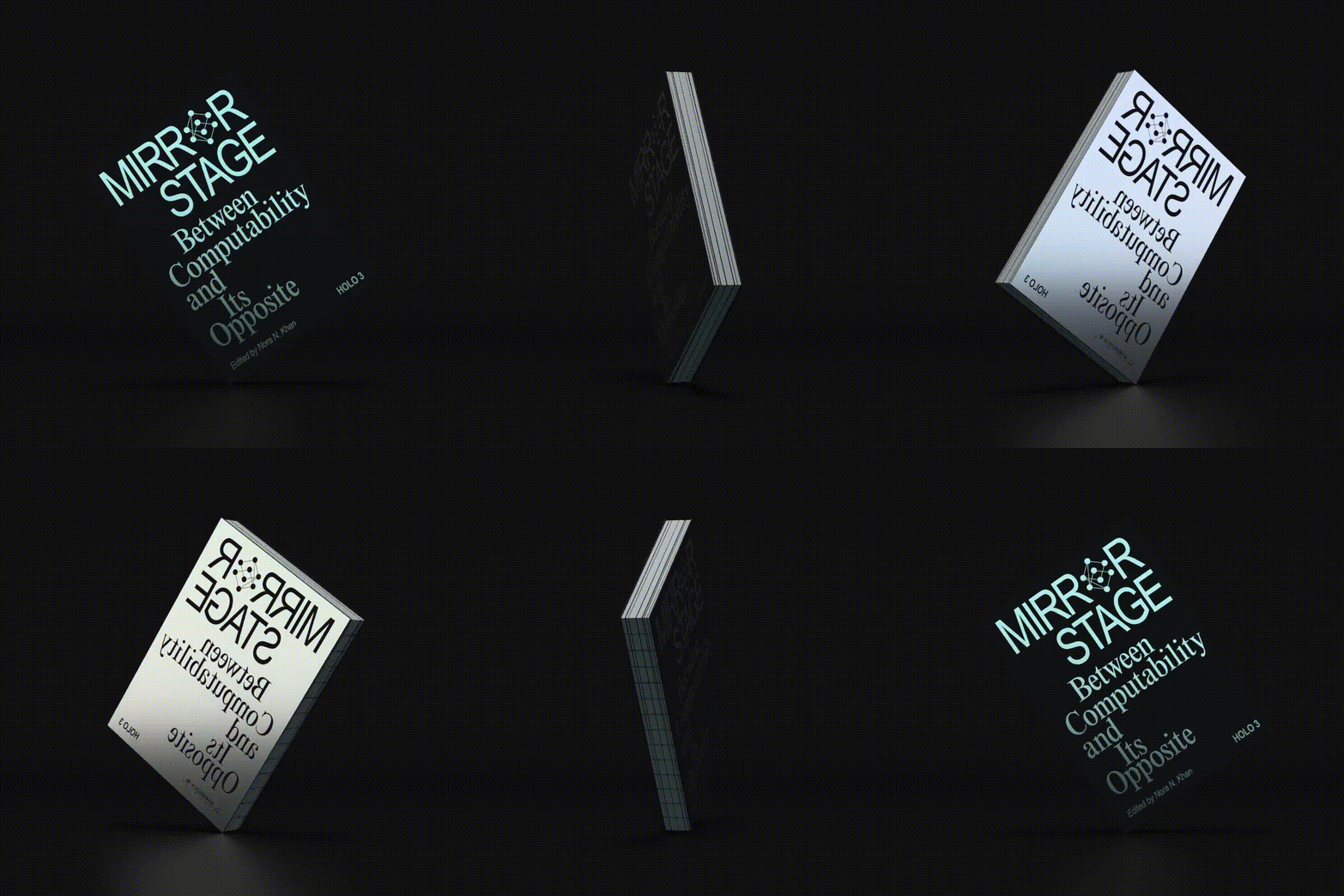
Her bibliography is wide-ranging and also consequential. Nora has been an editor at Rhizome, guest editor of HOLO (where her issue Mirror Stage: Between Computability and Its Opposite became a touchstone. She is a curator, educator, and public thinker whose work circulates across art, design, and technology worlds.
She [has taught] History and Theory at SCI-Arc and previously held the Arts Council Chair in the Design Media Arts department at UCLA. Her research probes the philosophical undercurrents of emergent technologies, with a particular focus on machine learning and artificial intelligence, not simply how these systems work, but how they reorganize perception, authorship, and the very conditions of making.
My own entry point into her work was the essay “Toward a Poetics of Artificial Superintelligence,” a text that refuses the impulse to humanize technology. Instead, it humanizes the felt experience of living with systems that are increasingly opaque, ambient, and beyond our grasp.
Another reason Nora feels so right for this moment is Seeing, Naming, Knowing, a book shaped partly in Detroit. In examining Project Green Light, she offers a profound meditation on infrastructures that see, surveil, categorize, and, in doing so, claim to “know” us. The critique is sharp: who is protected, who is exposed, and by what logics of visibility?
Across her work, Nora avoids the well-worn trap of evaluating technology solely through utility. She reveals the biases, blind spots, and epistemic limits embedded in our systems. Her writing models a rigor we urgently need: interpretive, imaginative, and unafraid to dwell in the ambiguities that technological futures demand.
And so, as I was drafting this introduction, it occurred to me that Nora’s greatest gift may be her insistence that language itself is a technology, one capable of metabolizing our anxieties, amplifying our curiosity, and orienting us toward futures we cannot yet name. And in so doing, reminds us of our own agency as creative, critical actors navigating this anxious moment.”
–Ishan Pal Singh
Official Biography:
Nora N. Khan is an independent critic, essayist, curator, editor, and educator. She is internationally recognized for her essays and short books, marked by a hybrid, genre-defiant prose style. Formally, this work attempts to both theorize the limits of algorithmic knowledge and outline the future of creative production in a technocratic age.
Her notable essay “Towards a Poetics of Artificial Superintelligence” has been republished widely and reprinted in ten languages since 2015. For 15 years, her prose and research have focused on artists’ most trenchant ideas and models of experimentation, paired with steady critique of technological design. In particular, her work on the philosophy of AI/ML, with a focus on ‘incomputable’ knowledge and the knotty relationship of language to computation, is referenced heavily by writers, theorists, artists, and practitioners across fields.
Khan’s writing has been supported by a Critical Writing Grant given through the Visual Arts Foundation and the Crossed Purposes Foundation, the Thoma Foundation Arts Writing Award in Digital Art, and residencies at La Becque, Eyebeam, Fogo Island Arts, and on.
Early – and catalyzing – writing awards include the prestigious Thomas T. Hoopes Prize, awarded annually to Harvard University undergraduates for “outstanding scholarly work or research” and the Iowa Arts Fellowship, a one-year award supporting her first year as an MFA student at the Iowa Writers’ Workshop.
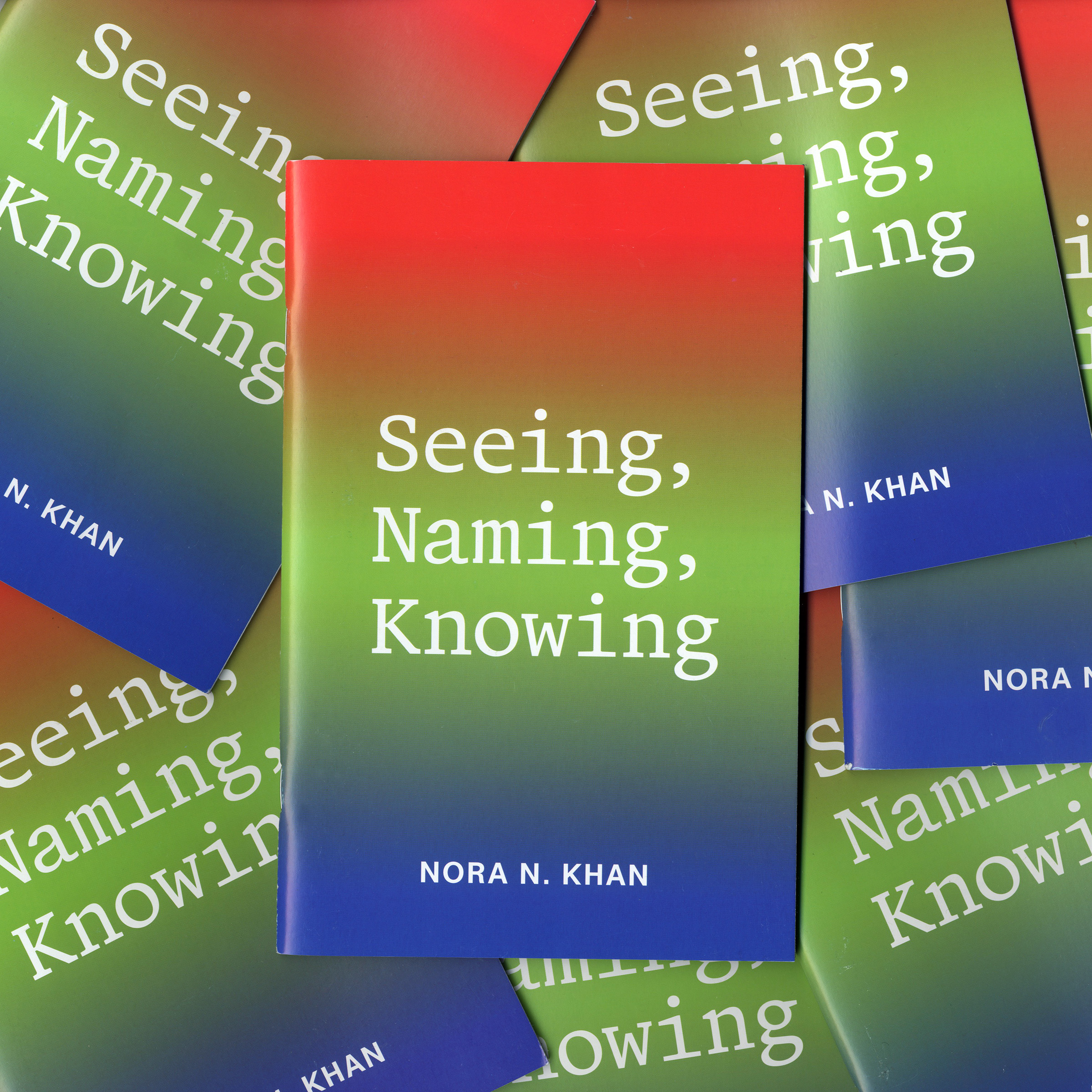
Her book Seeing, Naming, Knowing (Brooklyn Rail, 2019) focused on machine vision and generative image production. With Steven Warwick, she wrote Fear Indexing the X-Files (Primary Information, 2017), on online conspiracy theories and fan forum culture. Forthcoming are AI Art and the Stakes for Art Criticism (Lund Humphries, 2026) and a memoir about criticism through Strange Attractor Press.
She has written over 150 features, essays, interviews, and long-form reviews. Significant essays on the practices of Tony Conrad, Gretchen Bender, Josh Kline, Sondra Perry, Ian Cheng, Kevin Beasley, Meriem Bennani, and many others have been published in internationally-distributed journals, magazines, and books, along with catalogs for Serpentine Galleries, Chisenhale Gallery, Centre Pompidou, and Swiss Institute. PDFs of print essays and reviews are available upon request.
Khan is sought out for her curatorial work with artists developing experimental, demanding projects. She is part of the 2026 Curatorial Ensemble of Counterpublic, one of the nation’s largest public exhibitions, with Steffi Hessler, Raphael Fonseca, Jordan Carter, and Wanda Nanibush, with a focus on ‘near futures’.
She was the Co-Curator with Andrea Bellini of the Biennale de L’Image en Mouvement 2024, A Cosmic Movie Camera, hosted by Centre d’Art Contemporain Genève. The edition was the highest-attended in the biennale’s history, and featured all new commissions by Basel Abbas & Ruanne Abou-Rahme, American Artist, Interspecifics, Alfatih, Shuang Li, Diego Marcon, Lawrence Lek, Danielle Brathwaite-Shirley, Sheila Chukwulozie, Emmanuel van der Auwera, Formafantasma, Aziz Hazara, Lauren Lee McCarthy, Sahej Rahal, and Jenna Sutela. As curator of Manual Override at The Shed in New York City in 2020, she worked with Sondra Perry and Morehshin Allahyari on new commissions, in an exhibition that featured major works by Simon Fujiwara and Martine Syms. Manual Override saw 30,000 visitors in 2 months.
Khan’s practice extends on to teaching, mentorship, public speaking, and continual development of para-institutional learning spaces around the world. She is currently faculty in Creative Technologies at UC-Santa Cruz, after teaching in History and Theory at SCI-Arc, Los Angeles. From 2024 to 2025, she served as Arts Council Professor at UCLA in Design Media Arts. Khan was nominated for the John R. Frazier Award for Excellence in Teaching at Rhode Island School of Design, where she was a professor in Digital + Media from 2018 to 2021. With Maya Indira Ganesh she created AI Anarchies: Experiments in Study, Collective Learning and Unlearning, a school, a conference, and a gathering over a week in Berlin at Akademie der Künste around the concept of an ‘anarchic AI.’
Khan was a longtime editor (2014-2021) at Rhizome, served as guest editor of HOLO, producing the well-received Mirror Stage; Between Computability and its Opposite (2021), and as Editor-in-Residence at Topical Cream.
Khan’s practice extends to a large range of long-term collaborations and ‘public epistolary’ conversations with musicians, artists, theorists, and performers. Early work with musicians on PAN – including Steven Warwick, Lars TCF Holdhus, and label founder Bill Kouligas – created a foundation. She co-wrote essays with theorist, musician, and critic DeForrest Brown, Jr. from 2014 to 2018.
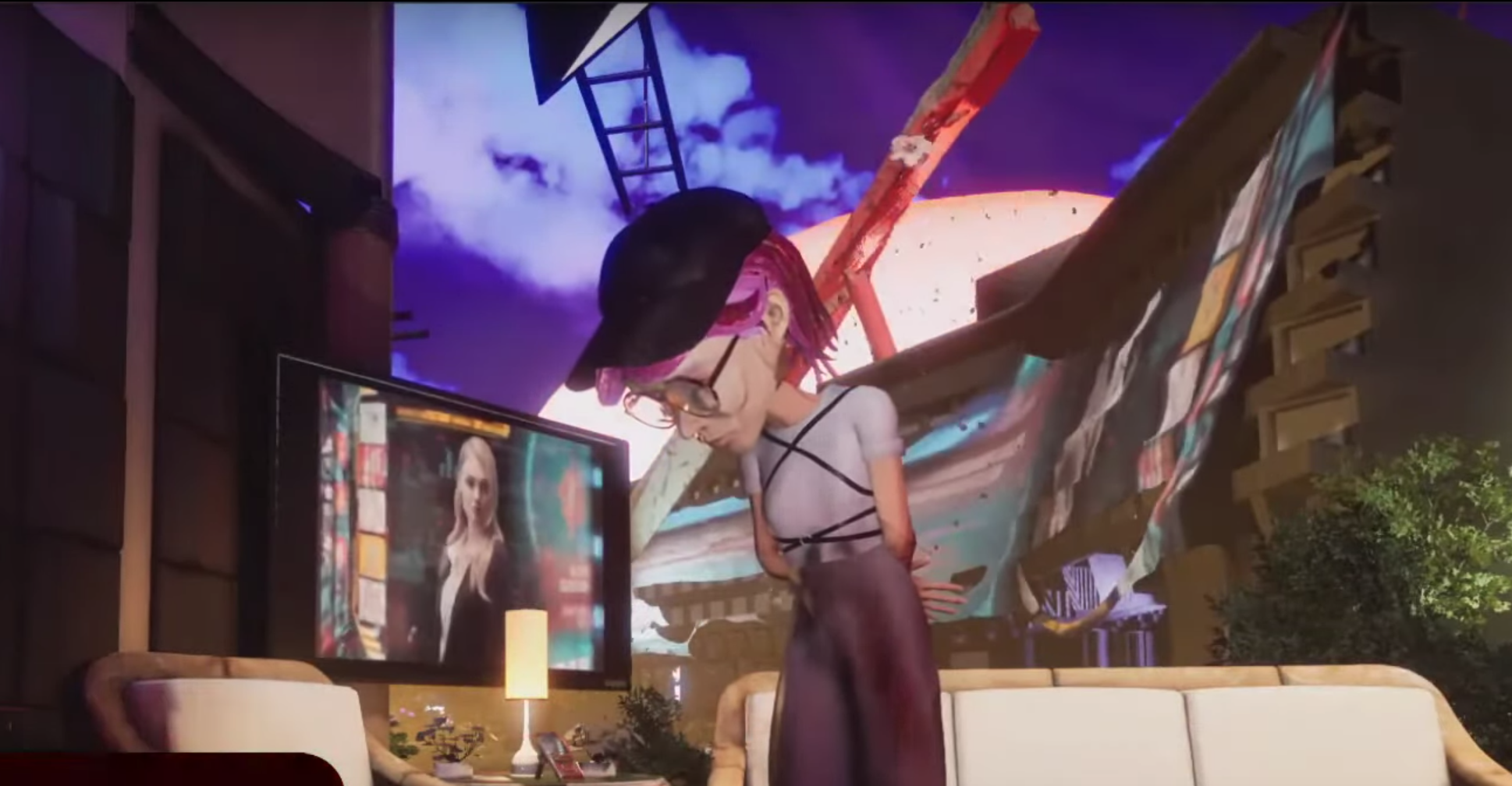
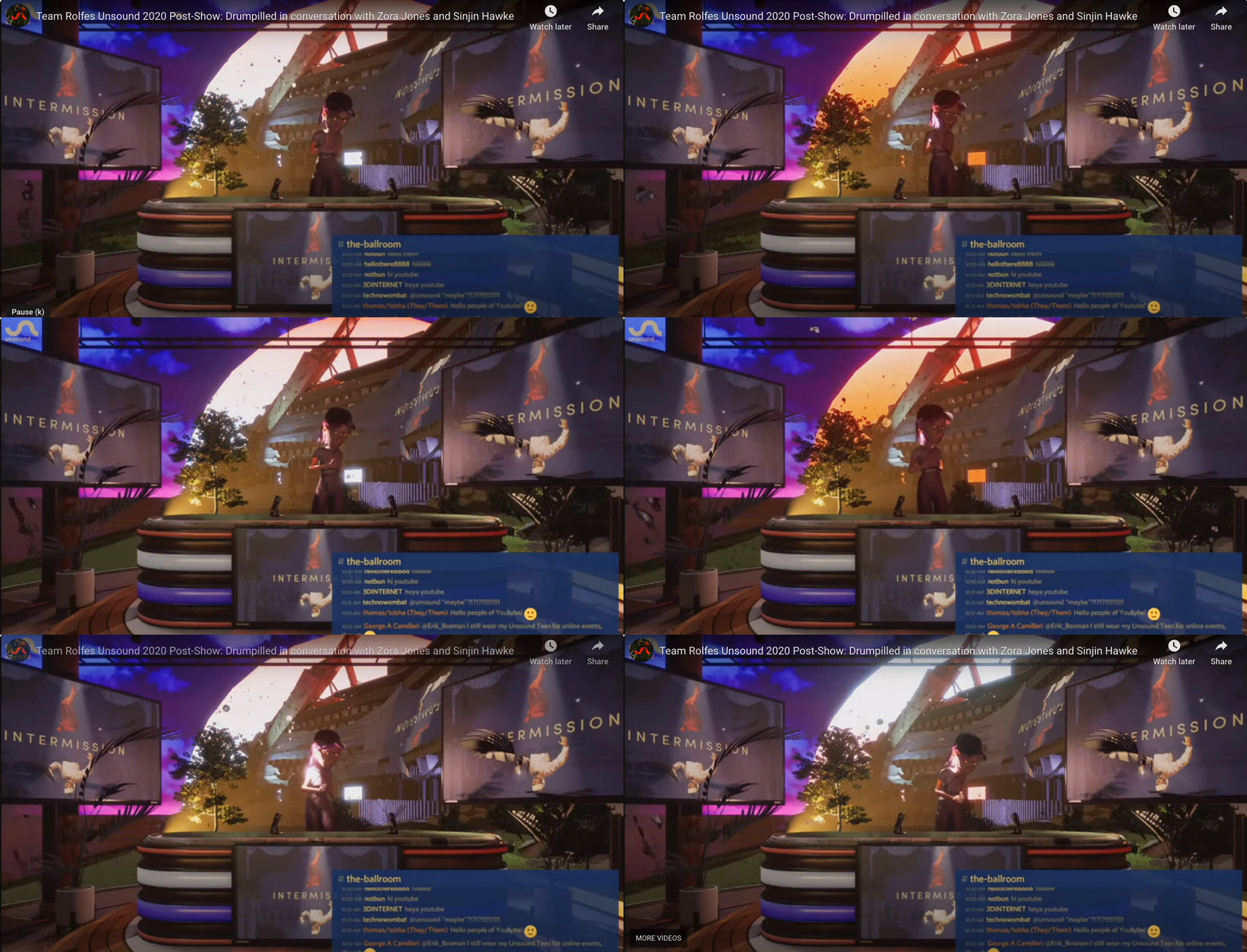
She created: a libretto for Kouligas’ 2018 opera Decession with Spiros Hadjidjanos and sung by Pan Daijing at Volksbuhne Berlin; a virtual influencer with Sam Rolfes/Team Rolfes for Unsound Festival, and has ghostwritten many performance scripts.
Her 2018 collaboration A Wild Ass Beyond: ApocalypseRN with Sondra Perry, Caitlin Cherry, and American Artist resulted in a tiny house, a garden, a film, and a library at Performance Space, New York.




 Nora N. Khan